Project outline
Noise is highlighted by the World Health Organisation (WHO) as the second most harmful environmental pollutant with a growing body of evidence demonstrating its negative impacts on human health. UK policy and guidance prescribes acceptable noise levels, manages noise as a statutory nuisance and regulates noise-intensive activities via licensing. However, there is limited consideration to the effects of noise on wildlife. Non-human animal species produce and perceive sound differently to humans meaning the protections in place may not sufficiently safeguard animals. The literature on non-human sound perception, adaptations to noise and associated fitness impacts is growing, particularly for marine species. In contrast, evidence for the impacts of noise pollution on terrestrial species is more limited, mostly focusing on the alteration of avian call frequency in urban areas. Therefore, there is recognition that greater research into the impacts of noise on ground-dwelling species is required, alongside further investigation into the long-term impacts of noise on birds, beyond known adaptation.
This project aims to develop evidence-based methods for industry to quantify the likely impacts of noise caused by development on UK wildlife for use during planning. This will integrate acoustic data, such as sound pressure levels and spectral analysis, with ecological surveys, behavioural observations and other welfare indicators. This approach will enable developers to identify potential noise producing activities which may have a negative impact on nearby species and implement effective mitigation strategies. Ultimately, this will improve the welfare of local animal communities and contribute to the UK’s wider biodiversity conservation and environmental protection goals. The work is supported by the Department for Environment, Food and Rural Affairs (Defra).
Project Partners
This project is hosted at the University of Salford and is supported by DEFRA.

Student
-
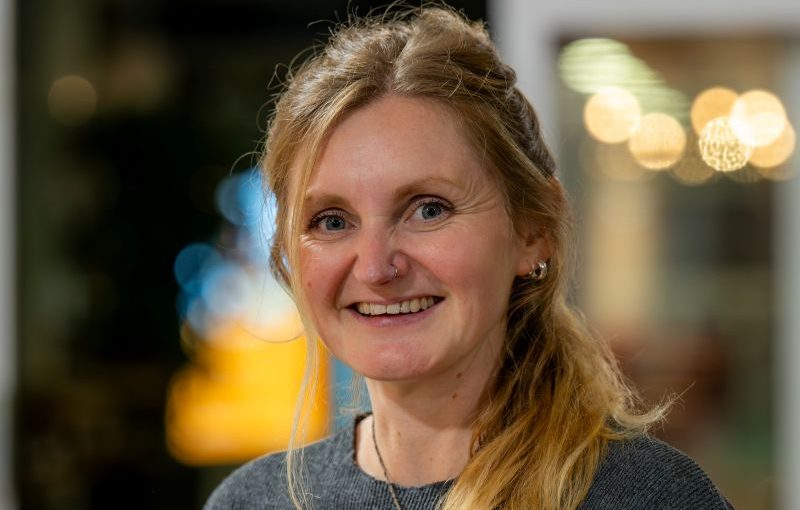
Sarah Armstrong
Sarah is part of Cohort 1 at the University of Salford.