Sarah Armstrong, Defra-supported CDT student, seeks to develop more ecologically informed methods for understanding the effects of noise on UK wildlife
While noise pollution is widely recognised for its impacts on human health, current regulations and guidance are largely based on human hearing and may not adequately protect wildlife. Many animals perceive sound differently to humans and rely on it for communication, navigation, foraging and avoiding predators.
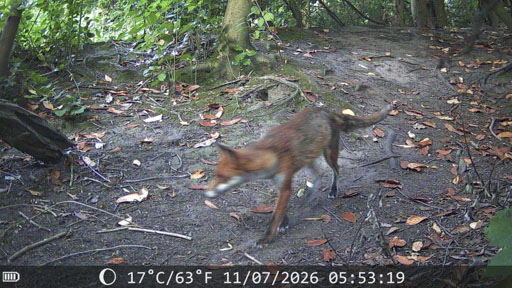
Sarah’s research focuses primarily on mammals, alongside selected bird and insect species to reflect the wider ecosystem. Species being monitored range from hedgehogs and bank voles to foxes, wood mice and brown rats, all of which play important ecological roles and contribute valuable ecosystem services.
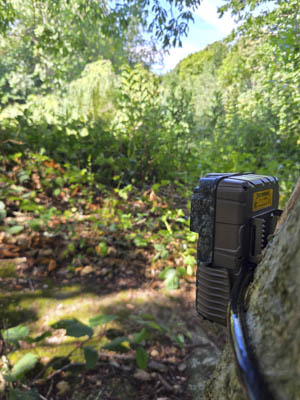
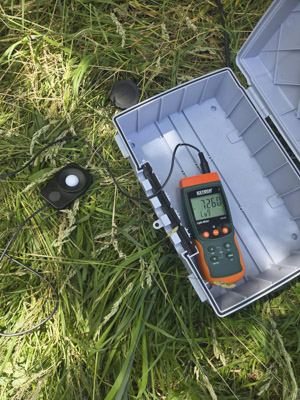
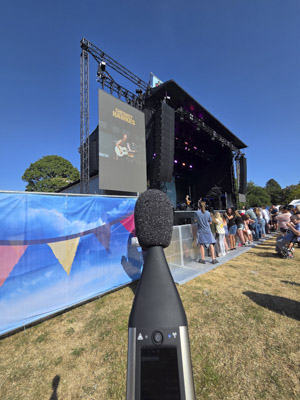
Using non-invasive methods, including motion-triggered trail cameras and Song Meter ultrasonic recorders, the project will collect behavioural and acoustic data without disturbing wildlife. The ultrasonic recorders are particularly valuable as they capture sounds beyond the human hearing range, helping researchers identify both wildlife activity and potential noise sources that traditional assessments may miss.
By combining acoustic measurements with ecological surveys and behavioural observations, the project aims to create evidence-based methods that can be used during planning to assess and mitigate the impacts of noise on wildlife. Ultimately, the research will help improve animal welfare, support biodiversity conservation and contribute to the UK’s wider environmental protection goals.